Air conditioning in Wood River matters differently than it does in a coastal city. Summers swing from humid to oppressive, winters can be sharp enough to keep you running the furnace, and the shoulder seasons demand attention if you want reliable performance and reasonable energy bills. I’ve been on service calls that started as a simple filter change and ended with a three-hour diagnosis of an outdoor unit choked with leaves and squirrel nests. Good maintenance prevents those calls. Below I lay out a season-by-season plan that anyone who owns a home or manages properties in Wood River can follow, with practical trade-offs, common mistakes, and moments when calling a pro like B & W Heating & Cooling makes the smartest financial sense.
Why seasonal maintenance matters here Wood River combines summer humidity with rapid spring and fall weather swings. That exposes AC systems to pollen, airborne dust, and moisture that accelerate coil corrosion and clog filters. A neglected system will struggle, cycle excessively, and consume 10 to 30 percent more electricity than a well-tuned unit. More important, minor issues that would cost under $200 to fix during a spring tune-up can turn into a $1,200 compressor replacement in high season when the system has been stressed for months.
Spring: the decisive tune-up Treat spring as the inspection that determines how your system will behave through summer. Start with a visual sweep around the outdoor unit. Clear six feet of vegetation, remove leaves from the grille, and flatten any grass that has grown into the fan path. A clean outdoor coil changes everything; I once arrived at a house where clogged fins were causing a 40 percent drop in efficiency. After straightening the fins and washing the coil, the owner saw immediate temperature improvement and a lower runtime.
Inside, change the filter. I recommend pleated filters with a MERV rating appropriate for your home, typically MERV 8 for most residences. Higher MERVs trap more and can restrict airflow in older systems, so check the blower motor capacity before upgrading. When in doubt, call for a quick airflow check; it takes a technician 10 to 20 minutes and avoids an expensive B & W Heating & Cooling AC maintenance in Wood River IL motor burnout later.
Have refrigerant levels checked. Low refrigerant is rarely a symptom you can fix yourself. It points to leaks that, left unattended, will damage the compressor. Technicians measure pressures, compare to temperature split across the coils, and can spot irregularities. If refrigerant needs topping up, insist on a leak search and repair rather than periodic additions. Continual top-offs mask a deeper problem and cost more over a few seasons.
Lubricate moving parts and check electrical connections. Loose wiring causes arcing and failure; a technician will tighten terminals and test capacitors. Replace the capacitor if its microfarad value has drifted beyond factory tolerance. That one small replacement keeps the compressor from laboring and often saves homeowners from a mid-summer breakdown.
Summer: protect performance, manage load Once the heat ramps up, focus on load management and rapid troubleshooting. Clean evaporator and condenser coils reduce runtime. I suggest homeowners inspect filter health every 4 to 6 weeks during heavy use. If anyone in the house has allergies or there are pets, move that interval to every 3 to 4 weeks.
Thermostat strategy matters more than many expect. Programmable or smart thermostats that back temperatures up by 4 to 6 degrees for a few hours during the day keep runtime sensible without sacrificing comfort. Avoid lowering the setpoint drastically to cool rooms faster. That only increases runtime and stress on the system. A practical rule: set the thermostat to the highest comfortable temperature and let the AC run in longer cycles rather than short-on-off cycles that promote wear.
When you hear unusual noises or feel weak airflow, act quickly. A buzzing might indicate a failing contactor, while rattling could be loose sheet metal or a dying fan motor. Weak airflow often points to a clogged filter, collapsed duct, or failing blower motor. Finding the problem early typically saves money. For example, replacing a fan motor out of season can cost $300 to $700. Waiting until the hottest week often doubles lead time and cost.
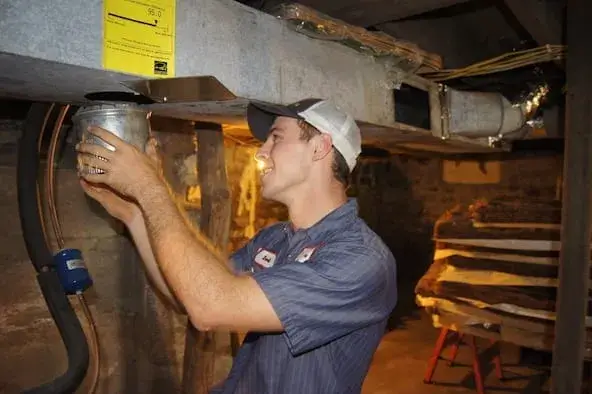
Fall: prepare for shutdown and longevity work As temperatures ease, fall is the time to perform maintenance that enhances longevity. Clean the blower assembly, clear the condensate drain line, and treat the evaporator coil. A common issue I see is a plugged condensate line causing water to back up into the safety switch and shut the system down. Flushing the drain with bleach and water or using a shop vac to clear the trap prevents that unpleasant surprise.
Inspect ductwork for gaps where rodents, birds, or settling may have made holes. Sealing leaks with mastic, not cheap foil tape, improves system efficiency and indoor comfort. Also consider getting a duct cleaning if there is significant dust or if family members report allergies. Properly sealed and insulated ducts reduce your load in both summer and winter.
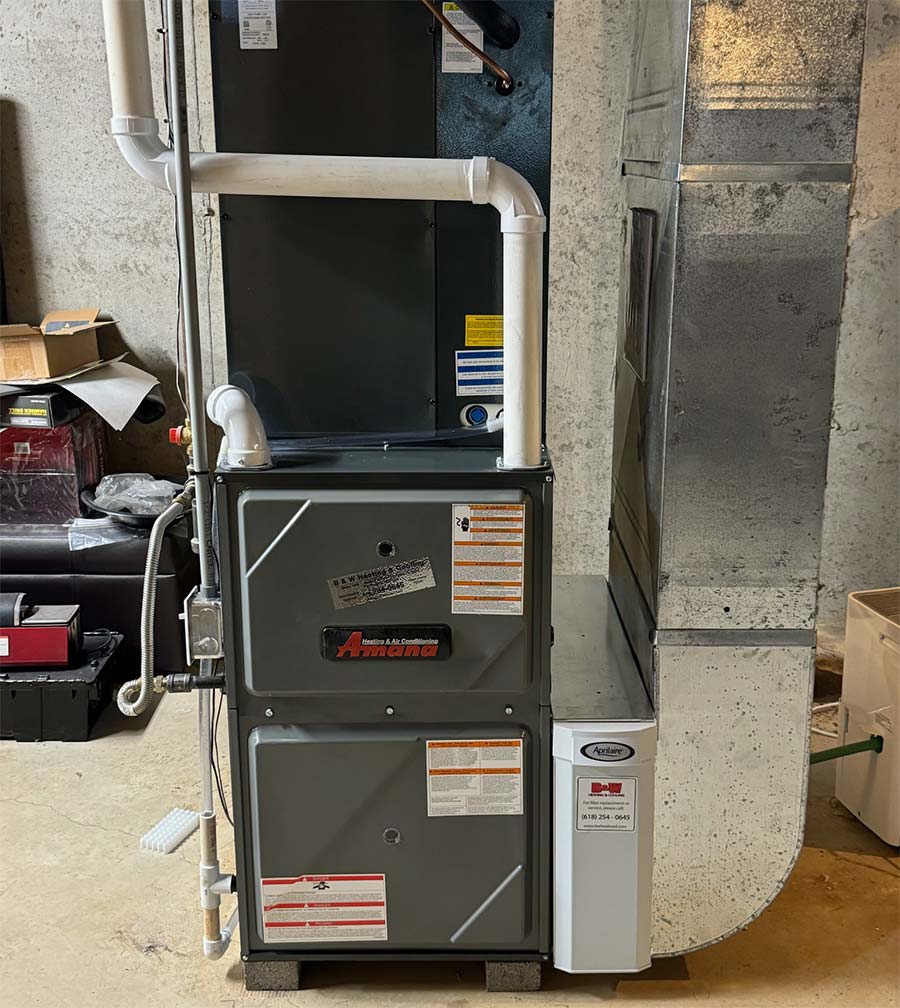
Fall is also an economical time to plan upgrades that are harder to schedule in summer. If your unit is ten years or older, weigh the trade-off between a major repair and replacement. An aging unit that loses 20 to 30 percent efficiency will often justify replacement when you factor in energy savings and avoided downtime. B & W Heating AC Repair in Wood River IL B & W Heating & Cooling & Cooling can run a load calculation and offer realistic payback numbers so you can decide with data, not guesswork.
Winter: storage, protection, and deferred tasks Even when the AC is out of daily circulation, winter tasks matter. Start by protecting the outdoor unit from falling branches and record-keeping. I advise homeowners to cover only the top of the condenser to keep out debris and ice, but not to wrap the fins completely. Full covers trap moisture and promote corrosion. If you experience heavy icing or snow build-up, a raised platform or short enclosure with ventilated sides prevents snowdrift from pressing against the unit.
Use winter as a time to schedule major service work without the peak-season surcharge. Compressors and fan motors are easier to source and schedule during colder months. If a system is marginal, replacing it in November or January is often cheaper and quicker than waiting until May.
Practical checklist for every season To make the seasonal advice actionable, follow this concise checklist each season. Execute the items you can safely handle, and call a professional for the tasks that require diagnostic tools or refrigerant handling.
- spring: clear area around outdoor unit, change filters, test refrigerant levels, tighten electrical connections summer: inspect filters every 3 to 6 weeks, monitor thermostat strategy, address unusual noises promptly fall: clean blower and evaporator coil, flush condensate drain, inspect and seal ductwork winter: protect but do not fully wrap outdoor unit, schedule any major repairs or replacements, maintain records of service dates and parts replaced
When to call a pro and what to expect DIY maintenance saves money but has limits. Call for professional AC repair in Wood River IL when you notice these signals: no cooling at all, compressor short cycles, frozen evaporator coil, refrigerant leaks, burning smells, or electrical trips. Expect a technician to perform a systematic check: electrical safety, refrigerant pressure test, airflow measurements, coil inspection, and a full operational run. A reputable company like B & W Heating & Cooling will provide a written diagnosis, estimate, and options: repair now, replace certain parts, or full replacement with cost and efficiency comparisons.
Be wary of pro offers that insist on immediate full replacement without presenting repair options. There are edge cases where replacement is undeniably the correct choice, such as repeated compressor failures or a unit approaching 15 or more years with poor SEER. In other cases, a targeted repair or component swap makes sense.
Energy efficiency and upgrade choices If you are thinking beyond maintenance and toward upgrades, consider SEER ratings, variable-speed compressors, and zoning. Higher SEER units cost more upfront but can reduce cooling bills by 15 to 30 percent, depending on your current system and usage patterns. Variable-speed compressors provide precise temperature control and reduced runtime, improving humidity control which is valuable in our humid summers.
Zoning pays off when your home has rooms with different uses or when upstairs spaces get hotter. Adding dampers to your ductwork or installing a multi-zone system improves comfort and can be more cost-effective than running a single oversized system.
Common maintenance mistakes and how to avoid them Homeowners often make the same mistakes. First, they overwrap the outdoor unit in winter, which traps moisture. Second, they buy the highest-MERV filter possible without checking blower capacity, causing restricted airflow and frozen coils. Third, they ignore small electrical smells or motor noise until a breakdown. And fourth, they accept refrigerant top-offs without a leak search. Avoiding these mistakes is mostly about seasonally scheduled checks and using a trusted technician for the heavy diagnostic work.
Cost expectations and budgeting Budgeting for maintenance should be straightforward. A professional tune-up in Wood River typically runs in a range that depends on scope, but small homeowners can expect an annual service visit to be under $200 when booked as a maintenance plan. Parts like capacitors, contactors, or belts are often under $150 each. Major components such as compressors start in the low hundreds for parts but total replacement including labor commonly ranges from $800 to $2,000 depending on capacity and accessibility. Full system replacements will vary with efficiency selected and ductwork modifications, commonly from $3,500 to $8,000 or more. Use fall or winter to shop and compare quotes; lead times and pricing tighten during May to August.
A short real-world example I once serviced a mid-century house in Wood River where occupants complained of uneven cooling. The first inspection showed a dirty outdoor coil and a collapsed flex duct in the attic feeding the upstairs. We cleaned the coil, replaced the collapsed section of duct with properly insulated round metal ducting, and balanced the system with a small damper adjustment. Total cost was under $700. The upstairs temperature variance dropped from 8 degrees to about 2 degrees, and runtime fell by nearly 15 percent. Small fixes, timed right, deliver disproportionate returns.
Final practical notes Keep a maintenance log with dates, parts replaced, refrigerant pressures if supplied, and technician notes. That history informs future decisions and increases resale value. When you choose a contractor, ask about licensing, references, and whether they provide written estimates and labor warranties. A reputable local company, for repairs or AC installation in Wood River, will stand behind their work and explain the trade-offs between repair and replacement.
Seasonal care pays. It preserves comfort and lowers the bills that come with surprise breakdowns. If you want a reliable partner for annual tune-ups, diagnostics, or AC repair in Wood River IL, consider scheduling a seasonal visit with B & W Heating & Cooling. They can run the checks described above, produce a prioritized repair list, and help you decide when maintenance alone is enough and when investment in a new system makes better long-term sense.
B & W Heating & Cooling
3925 Blackburn Rd, Edwardsville, IL 62025
+1 (618) 254-0645
[email protected]
Website: https://www.bwheatcool.com/